







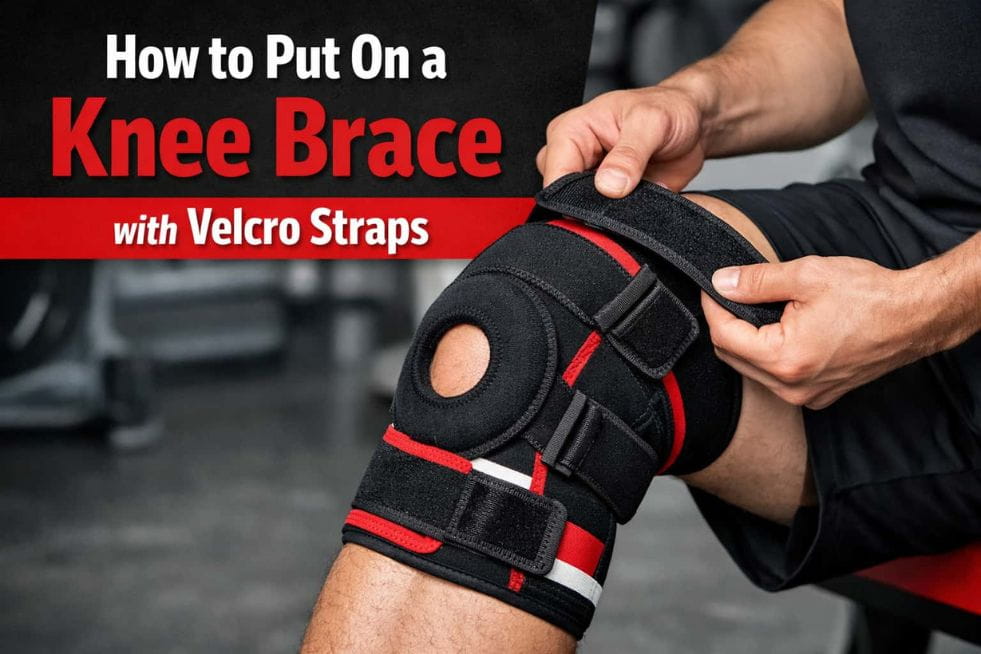
A knee brace with VELCRO® Brand straps can provide crucial support after injury, surgery, or during physical activity. But if it’s not worn correctly, it can cause discomfort or fail to deliver the stability you need. Whether you're recovering from a strain or protecting a joint during workouts, proper placement makes all the difference.
Why Use a Knee Brace with Velcro Straps?
A knee brace with Velcro straps provides customizable support and stability that static braces cannot offer. Unlike fixed designs, Velcro straps allow you to adjust tightness throughout the day for maximum comfort. This flexibility ensures the brace stays snug over the knee without cutting off circulation or slipping during movement. Additionally, Velcro-fastened braces are easy to put on and remove, making them ideal for both post-injury recovery and active workouts. Users benefit from modular support, as the brace can be repositioned or swapped between different activities without compromising stability.
Different Types of Knee Braces - Velcro vs Non-Velcro Designs
Velcro Knee Braces
Velcro knee braces are designed for adjustable compression and secure support. Common types include:
- 1. Wraparound Velcro Braces: These are flexible sleeves with Velcro closures that allow users to tighten or loosen straps as needed. They are perfect for general support during physical activity or mild instability.
- 2. Hinged Velcro Braces: Equipped with side hinges and Velcro straps, these braces provide enhanced ligament support for post-surgery or serious injuries. The Velcro ensures the hinges stay properly aligned.
- 3. Compression Sleeves with Velcro: These combine elastic compression with adjustable straps, reducing swelling and providing mild joint stabilization for arthritis or minor injuries.
Non-Velcro Knee Braces
Non-Velcro braces provide support without adjustable straps. They include:
- 1. Slip-On Compression Sleeves: Lightweight, easy to wear, but less customizable in fit.
- 2. Hinged Braces with Fixed Straps or Buckles: Offer strong support but require precise sizing and are less flexible for adjustment.
- 3. Elastic Band Wraps: Simple, inexpensive support for light activity, but may slip more easily than Velcro-based braces.
How to Put on a Knee Brace with Velcro - Step-by-Step
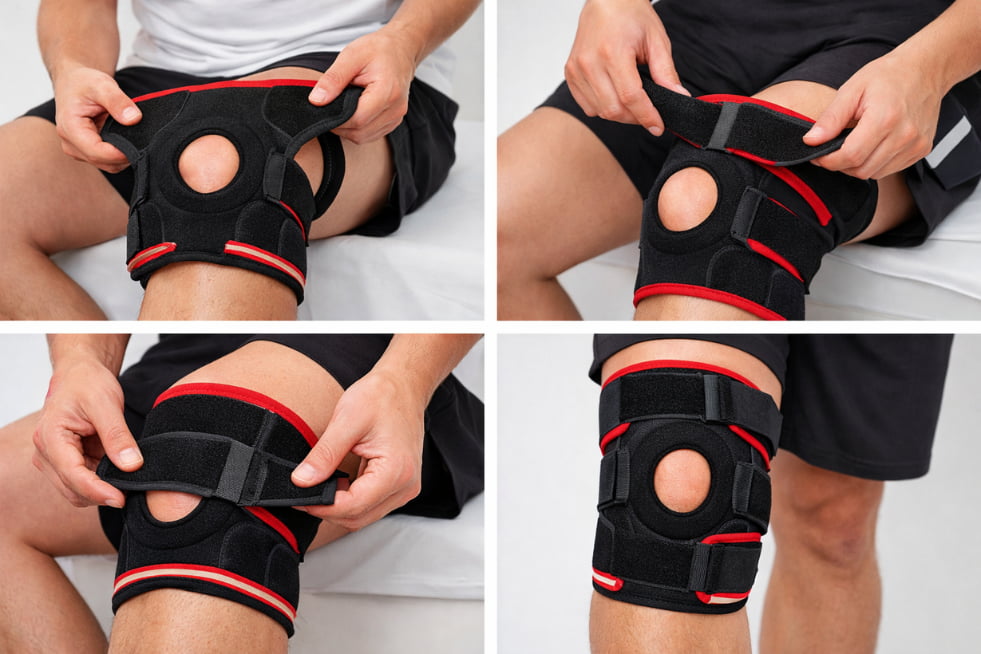
Wearing a knee brace with Velcro straps correctly is essential for maximum support and comfort. Follow this step-by-step guide to ensure your brace fits securely and stays in place during activity.
Step 1: Choose the Right Brace for Your Needs
Before putting on a brace, make sure you’re using the appropriate type for your condition or activity level. Common types include:
- Hinged knee braces for post-surgical recovery or ligament injuries
- Wraparound braces for general support during physical activity
- Compression sleeves with Velcro straps for swelling, arthritis, or mild instability
Check sizing and fit. If the brace is too tight, it may restrict circulation. If too loose, it won’t provide proper support.
Step 2: Position the Brace Properly
Sit comfortably with your leg extended. Slide or wrap the brace around your knee so the center opening (if present) aligns directly over your kneecap.
- The top of the brace should sit just above the patella
- The bottom edge should rest below the knee on the upper shin
Make sure the material is smooth and lies flat against your skin.
Step 3: Secure the Velcro Straps
Start fastening with the velcro straps that crosses closest to the knee joint. This central anchor point will help stabilize the rest of the brace.
Tips for better strap placement:
- Work outward from the center, tightening each strap gradually
- Avoid overtightening to prevent circulation issues
- Smooth out any wrinkles or bunching to avoid pressure points
Step 4: Test for Fit and Mobility
After securing the straps, stand up and walk a few steps. A properly fitted knee brace should:
- Stay in place without sliding down or twisting
- Feel supportive but not constrictive
- Allow natural movement without pinching or bunching
If the brace shifts during activity, re-tighten the straps or reposition it until secure.
Step 5: Care and Maintenance
Keeping the Velcro straps clean is key to long-term performance. Over time, lint and debris can reduce their grip.
Maintenance tips:
- Use a lint roller, fine-tooth comb, or tweezers to clean the hook side
- Air-dry the brace after washing
- Store flat to avoid misshaping
What Are the Best Velcro Products for Knee Braces
When selecting Velcro products for knee braces, durability, comfort, and secure attachment are key. Recommended options include:
- 1. High-Strength Hook and Loop Strips: These provide maximum grip, keeping braces firmly in place even during rigorous activity.
- 2. Soft Loop Backing Straps: Prevent skin irritation and maintain comfort throughout the day.
- 3. Washable Velcro Straps: Ensure long-term performance after repeated cleaning.
- 4. Medical Velcro Straps: Ideal for orthopedic or post-surgery applications, offering reliable support and wear resistance.
Choosing the right Velcro ensures your knee brace maintains stability, comfort, and longevity, reducing the risk of slippage or discomfort during activity.
How to Choose the Right Knee Brace
Selecting the right knee brace involves considering your condition, activity level, and fit. Follow these steps:
- 1. Identify Your Support Needs: Determine whether you need the brace for ligament support, post-surgery recovery, swelling reduction, or general stability.
- 2. Pick the Correct Type: Hinged braces are best for serious injuries, wraparound braces for moderate support, and compression sleeves for mild issues.
- 3. Decide on Velcro vs Non-Velcro: Velcro offers adjustable, customizable support; slip-on braces are quicker to wear but less flexible.
- 4. Measure for Proper Fit: Ensure the brace size matches your knee circumference to avoid discomfort or slipping.
- 5. Consider Activity Level: Choose a brace designed for your daily activities, sports, or heavy-duty work to ensure durability and comfort.
FAQ:
Q. How tight should my knee brace be?
A. It should be snug enough to stay in place but not so tight that it leaves deep marks or causes numbness. Loosen slightly if you feel discomfort or tingling.
Q. Can I wear a knee brace all day?
A. Yes, if advised by your healthcare provider. Some braces are designed for full-day use, while others are intended only during activity. Remove at night unless directed otherwise.
Q. Why does my knee brace slip during activity?
A. This could be due to worn Velcro, poor strap tension, or incorrect positioning. Clean the straps and adjust for a firmer fit.
Q. Should I wear the brace under or over clothing?
A. Most braces work best when worn directly on the skin for proper compression. However, lightweight wraparound braces may be worn over thin fabric if comfort allows.
Q. Can I adjust Velcro straps after putting on the brace?
A. Yes. Re-adjust as needed throughout the day to maintain comfort and support. Just be aware that frequent re-fastening can reduce the Velcro’s lifespan.