










A rug can be hung on a wall with hook and loop, a rod and sleeve, padded clips, a quilt hanger, a tension rod, or a mounted batten. The appropriate method depends on the rug’s weight, construction, condition, fringe, and the type of wall support available.
Avoid driving nails, staples, or tacks directly through the textile. Before installation, inspect the rug, distribute its weight across a broad area, and confirm that the selected fastener, backing, wall surface, and mounting hardware are appropriate for the display.
What to Check Before Hanging a Rug
- Rug weight: Heavier rugs require broader and more secure support than lightweight textiles.
- Textile condition: Inspect the backing, edges, fringe, seams, and fibers for wear before mounting.
- Wall construction: Confirm whether the wall can support adhesive products, brackets, rods, or a mounted board.
- Display duration: Decide whether the installation should be temporary, removable, or long-term.
- Contact points: Use soft backing or padded contact surfaces where needed to reduce concentrated pressure on the textile.
Ways to Hang a Rug on a Wall
Hook and Loop
Hook and loop can create a removable connection between a rug and a supporting wall surface or backing system. For textile preservation, the loop side may be sewn to a separate fabric backing or sleeve rather than attached directly to delicate rug fibers.
The wall-side attachment must be selected for the wall material and the rug’s weight. Adhesive-backed hook and loop should not be assumed suitable for every painted, textured, wallpapered, or porous surface.
Curtain Rod or Dowel
A fabric sleeve can be sewn to the back of the rug so a rod or dowel distributes support across the width. The rod brackets still require an appropriate wall-mounting method.
This option may help keep fringe or decorative edges visible when the sleeve is positioned behind the rug.
Padded Rug Clips or Clamps
Clips or clamps can hold the upper edge without sewing through the rug. Use padded contact points and distribute the clips across the width so pressure is not concentrated in one small area.
The clips must connect to a securely mounted rod, rail, wire, or other support.
Quilt Hanger
A quilt hanger grips a broad section of the textile’s upper edge. This can provide an alternative to sewing or attaching adhesive directly to the rug, provided the hanger fits the rug’s thickness and construction.
Tension Rod
A tension rod may work in a suitable alcove, niche, or framed opening. The rug may be draped over the rod or attached with compatible clips.
This method depends on the opening, rod, rug weight, and available support.
Wooden Batten or Backing Board
A wooden batten or backing board can distribute support across a wider area. The rug may connect to a separate textile backing, hook-and-loop interface, or another compatible attachment system mounted to the board.
The board itself must be secured to the wall using hardware appropriate for the wall and total load.
How to Choose a Mounting Method
| Consideration | What to Review |
|---|---|
| Rug weight | Whether the support distributes the load across enough of the rug and wall |
| Material and condition | Whether the textile can tolerate sewing, gripping, folding, or contact with a backing |
| Fringe and decorative edges | Whether the mounting method keeps those details visible and free from pressure |
| Wall surface | Whether adhesive, brackets, anchors, or a support board are suitable |
| Removal | How the rug and wall attachment will be separated without pulling on the textile |
Common Mistakes to Avoid
- Do not drive nails, tacks, or staples directly through the rug.
- Do not add grommets unless the textile has been evaluated and modified for that purpose.
- Do not glue the rug directly to the wall.
- Do not rely on a few narrow attachment points for a large or heavy textile.
- Do not assume an adhesive product will release cleanly from every wall finish.
- Do not mount a rug before checking its backing, edges, fibers, and existing damage.
How to Prepare a Hook-and-Loop Installation
Step 1: Inspect the Rug
Check the rug’s backing, seams, fringe, and upper edge. Do not attach mounting material to an area that is already weak, torn, or separating.
Step 2: Plan Broad Support
Distribute the connection across a broad section of the rug rather than relying on isolated attachment points. A fabric backing, sleeve, or support strip can help separate the mounting system from delicate fibers.
Step 3: Check the Wall Surface
Confirm whether the wall is painted, textured, wallpapered, masonry, wood, or another material. Select the wall-side attachment according to the surface and total load.
Step 4: Test the Layout
Measure and level the support before placing the rug under load. Confirm that the textile hangs evenly and does not pull at one edge or corner.
Step 5: Inspect After Installation
Check the attachment points after the rug is mounted. Remove the rug if the textile stretches, the support shifts, or the wall attachment begins to release.
Care for a Wall-Hung Rug
- Inspect the rug and its mounting points periodically.
- Limit prolonged direct sunlight when fading is a concern.
- Use a cleaning method appropriate for the rug’s fibers and construction.
- Remove the rug when needed to inspect and clean the wall behind it.
- Follow any care guidance provided by the rug maker, conservator, or textile specialist.
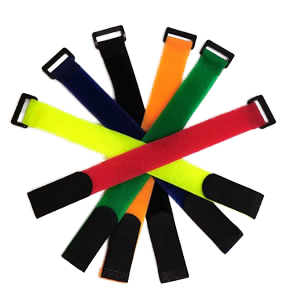
Hook-and-Loop Product Options
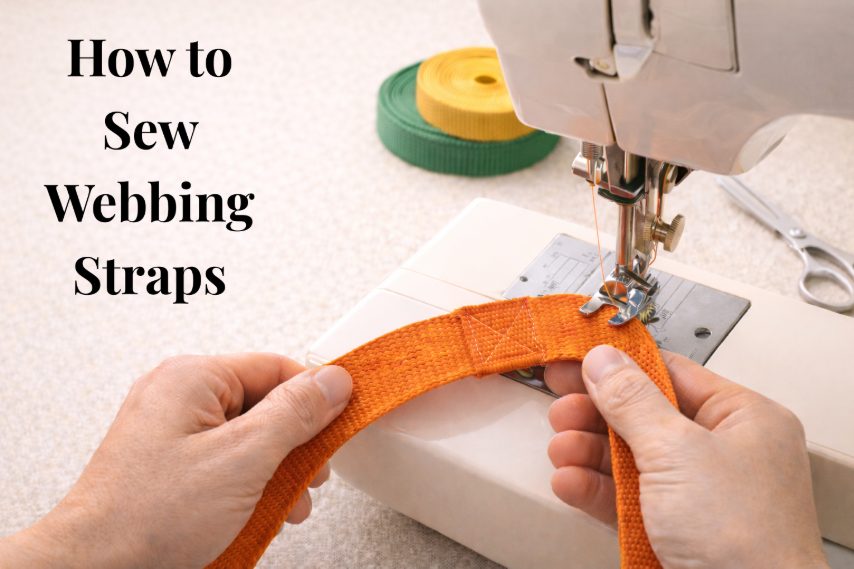
Sew-on hook and loop may be used as part of a textile backing, sleeve, or support system when sewing is appropriate for the selected backing material.
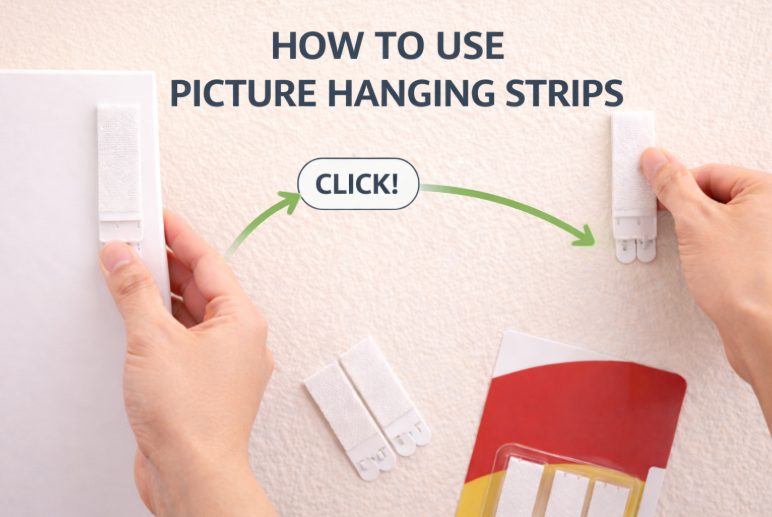
Peel-and-stick hook and loop provides an adhesive-backed option for compatible mounting surfaces. Review the adhesive type, wall material, load, installation instructions, and removal plan before use.
FAQ:
Q. Can I hang a rug on the wall without putting nails through it?
A. Yes. Options include a rod and sewn sleeve, padded clips, a quilt hanger, a backing board, or hook and loop attached through a separate support system. Some methods may still require brackets or hardware in the wall.
Q. What is the best way to hang a rug without damaging it?
A. Use a method that distributes the rug’s weight broadly and avoids piercing, gluing, or concentrating pressure on the textile. The appropriate method depends on the rug’s weight, fibers, construction, and condition.
Q. Can hook and loop hold a heavy rug?
A. The live article does not establish a universal weight limit. Heavy rugs may require a rod, batten, backing board, or another mechanically supported system designed for the rug, wall, and total load.
Q. How should hook and loop be attached to a rug?
A. For sensitive textiles, attach the loop side to a separate fabric backing or sleeve rather than applying adhesive directly to the rug. Sewing or modification should be appropriate for the backing material and rug construction.
Q. How far apart should rug fasteners be placed?
A. There is no single spacing that fits every rug. Placement should distribute the load evenly across the textile and account for its width, weight, condition, and mounting system.
Q. Can adhesive hook and loop damage a wall?
A. It can. Paint, wallpaper, coatings, and weak surface layers may release during use or removal. Confirm surface compatibility and follow the product’s installation and removal instructions.
Q. How do you hang a rug with fringe?
A. Position the mounting support behind the rug so the fringe is not trapped, pierced, or used as a load-bearing part of the installation. A rod and sleeve or broad backing system may help keep the fringe visible.