








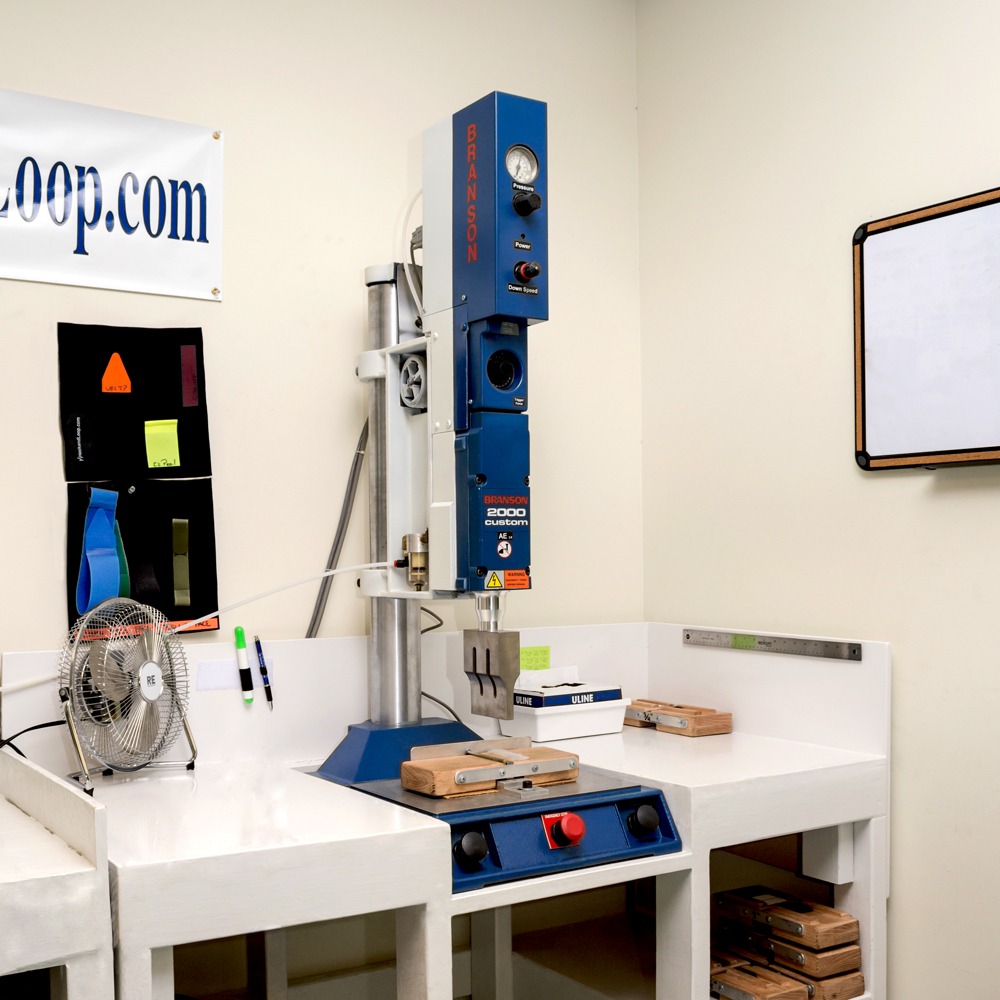
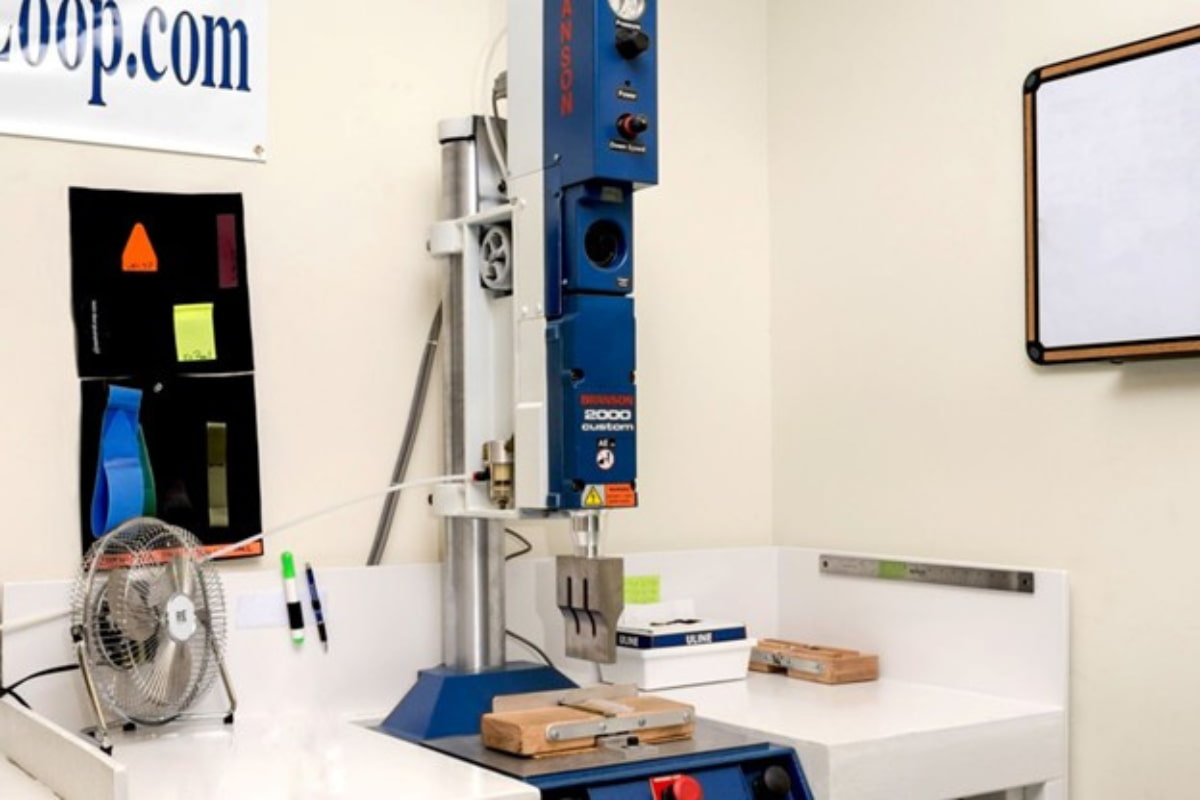
The ultrasonic welding process is an advanced manufacturing technique that uses high-frequency sound waves to bond materials together quickly and cleanly. This innovative method creates strong, precise joints in plastics, metals, and other materials without the need for adhesives, fasteners, or excessive heat.
What is Ultrasonic Welding?
Ultrasonic welding is a fast, efficient industrial joining process that uses high-frequency sound waves (typically 15-40 kHz) to bond materials without adhesives or fasteners. By applying pressure and ultrasonic vibrations, it creates friction heat that melts and fuses materials in seconds, producing clean, precise welds.
How Does Ultrasonic Welding Work
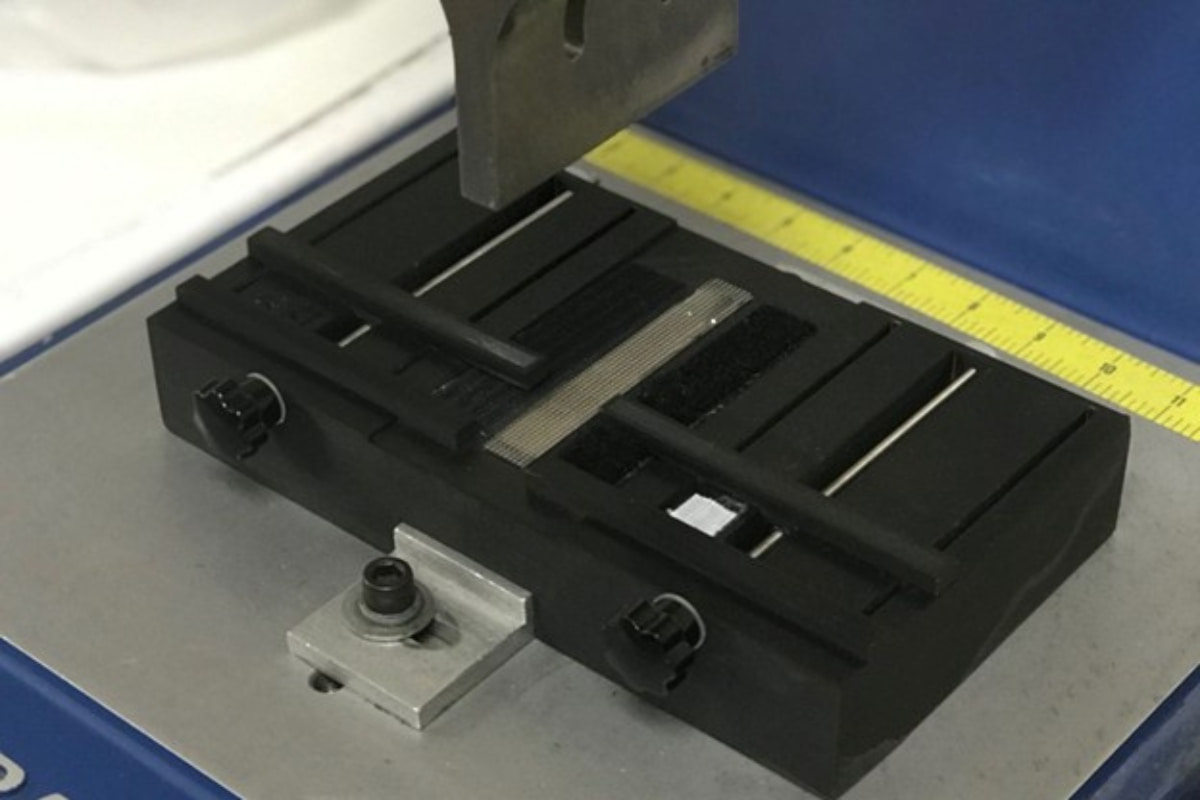
- Materials are placed between a vibrating tool called a sonotrode and an anvil.
- The machine applies pressure, holding materials firmly in place.
- The sonotrode emits ultrasonic vibrations (20–40 kHz), creating frictional heat.
- Heat softens the materials at the joint, bonding them as they cool.
- Pressure is maintained until the bond solidifies.
At Hook & Loop, we specialize in precision ultrasonic welding for industries like automotive, medical, and textiles - learn more about our process at Hookandloop.com.
Features of Ultrasonic Welding
1. Speed & Productivity
- Fast cycle times: Completes welds in 0.1–1 second
- High-volume capable: Ideal for mass production (e.g., automotive, electronics)
2. Precision & Quality
- Clean joints: Minimal flash or material deformation
- Strong bonds: Molecular-level fusion for durable assemblies
3. Material Versatility
Works with:
- Thermoplastics (ABS, nylon, polycarbonate)
- Thin metals (copper, aluminum)
- Dissimilar materials (e.g., plastic to metal)
4. Energy & Cost Efficiency
- No consumables: Eliminates need for solder, glue, or fasteners
- Low power use: Compared to traditional welding (e.g., laser, resistance)
Benefits of Ultrasonic Welding
- Fast: Bonds form in seconds
- Strong: Creates durable, reliable joints
- Clean: No adhesives or solvents needed
- Consistent: Produces repeatable, high-quality seams
Materials Suitable for Ultrasonic Welding
Only certain materials work well, primarily thermoplastics and synthetic fabrics with compatible melting points.
- Polyester (250 - 280°C)
- Nylon (265 - 285°C)
- ABS Plastic (270°C - 310°C)
Note: Metals and non-thermoplastic materials are generally unsuitable.
Common Application for Ultrasonic Welding
- Automotive parts like dashboards and filters
- Medical devices needing airtight seals
- Electronics enclosures
- Nonwoven fabrics and technical textiles
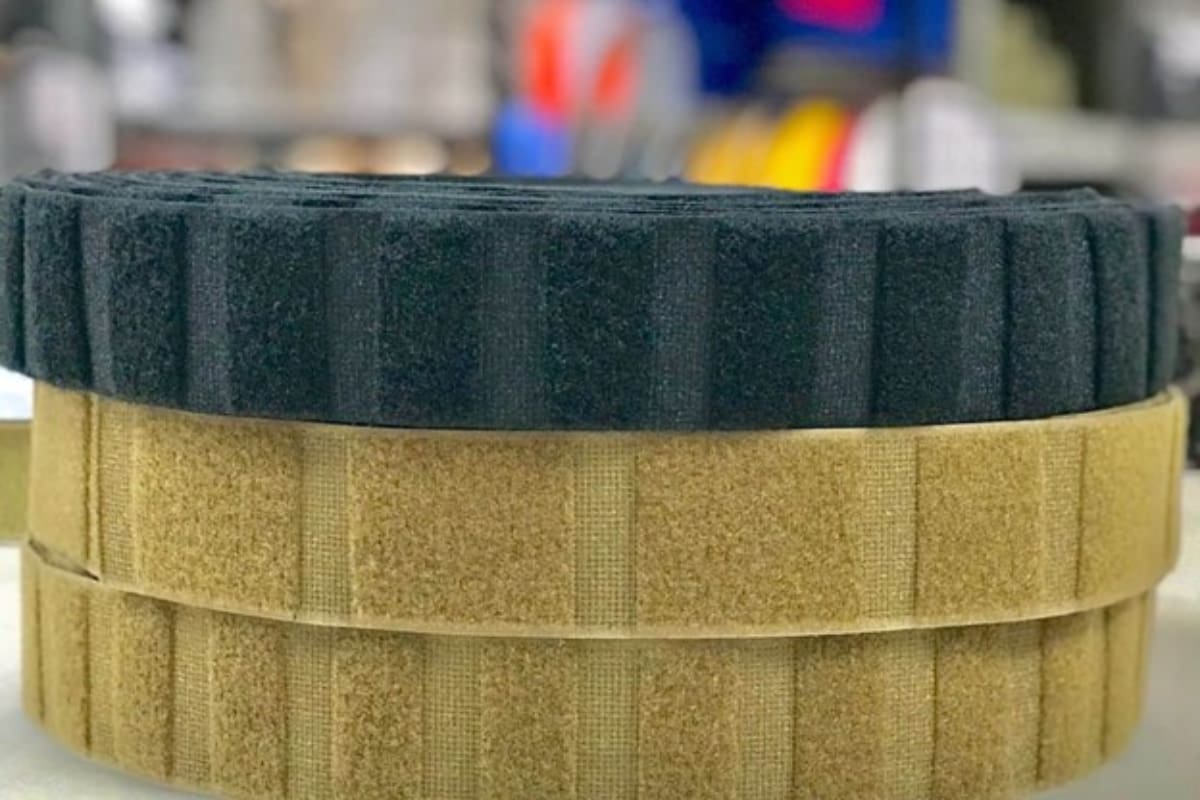
- Hook and loop fasteners for clothing or gear
Tips for Successful Ultrasonic Welding
- Use compatible thermoplastics for reliable bonds
- Maintain clean equipment to avoid contamination
- Adjust amplitude, pressure, and time settings based on material thickness
Common Mistakes to Avoid
- Welding incompatible materials (e.g., thermoplastic to metal)
- Using damaged or worn sonotrodes, leading to weak welds
- Skipping equipment calibration, resulting in inconsistent bonds
FAQ:
Q. Can ultrasonic welding be used on all fabrics?
A. No, it only works on certain thermoplastic materials like polyester or nylon blends.
Q. Is ultrasonic welding waterproof?
A. The seams can be airtight and water-resistant, depending on materials and weld quality.
Q. How strong are ultrasonic welds?
A. They’re often as strong or stronger than traditional sewing or adhesives for compatible materials.
Q. Does ultrasonic welding use heat?
A. It creates localized heat through high-frequency friction, not external heating elements.
Q. Can ultrasonic welding join different plastics?
A. It can if the plastics have compatible melting points and material properties.