






Sewing webbing onto fabric isn't just for outdoor gear or industrial use. It's also a great skill for DIYers making custom bags, leashes, harnesses, or repairing worn straps. Whether you're working with nylon, polypropylene, or cotton webbing, the right tools and techniques make all the difference in strength, appearance, and durability.
This guide walks you through how to sew webbing straps properly, including tips for stitch selection, materials, and integrating VELCRO® Brand fasteners for adjustability.
What Is Webbing in Sewing?
Webbing is a strong, flat strip of woven fabric used for support, carrying loads, or fastening. It's commonly found in backpack straps, pet leashes, climbing gear, and industrial tie-downs. Nylon and polypropylene webbing are known for their strength, while cotton webbing offers a softer, more natural feel.
Tools and Materials You'll Need
- Webbing material (nylon, polypropylene, or cotton)
- Heavy-duty sewing machine needles (size 16/100 or 18/110)
- Strong polyester thread
- Clips or double-sided tape to hold webbing in place
- Scissors or hot knife (to prevent fraying)
- Optional: VELCRO® Brand hook and loop fasteners for adjustability
How to Sew Nylon Webbing Step by Step
1. Choose the Right Needle and Thread
For thick webbing, use a heavy-duty needle and strong polyester thread. Polyester resists moisture, UV, and abrasion, making it ideal for long-lasting straps.
2. Secure Webbing Before Stitching
Avoid pins. They may bend or break on dense materials. Use sewing clips or double-sided tape to keep the webbing in place as you work.
3. Use a Straight or Reinforced Stitch
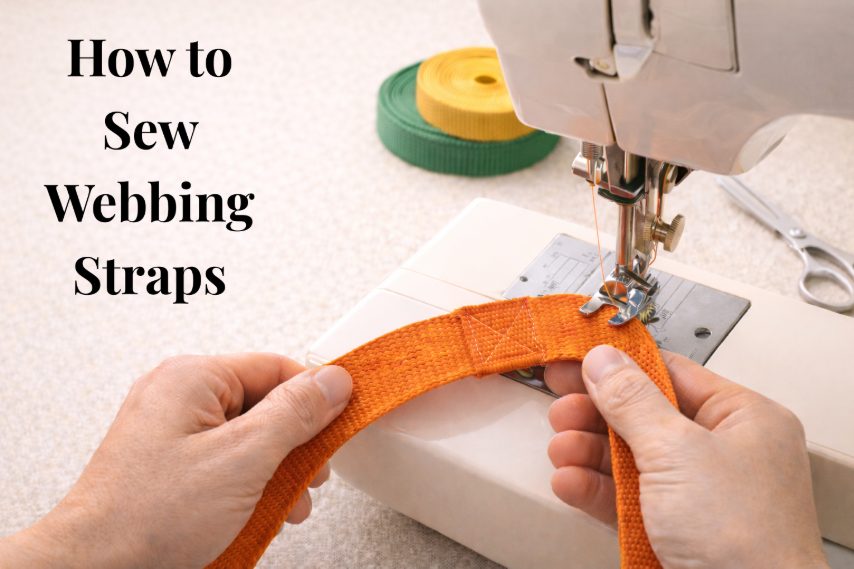
For basic applications, a straight stitch will suffice. For load-bearing areas, use a box stitch or box-and-cross pattern for greater strength and stability. Set your stitch length to about 3–4 mm to penetrate the webbing fibers cleanly.
4. Go Slow and Adjust Tension
Sew at a controlled pace to avoid needle breakage and ensure even stitching. If the machine struggles, adjust the tension settings or increase presser foot pressure to improve feeding.
5. Finish the Edges
Use a hot knife to seal the ends of nylon or polypropylene webbing and prevent fraying. Alternatively, fold the ends under and stitch them down for a clean, finished edge.
Applications for Sewn Webbing
- Backpack straps and duffel bag handles
- Outdoor gear like hammocks, tents, or sleeping bag ties
- Pet collars and harnesses
- Cargo straps and industrial tie-downs
- DIY organizers, pouches, and custom fasteners
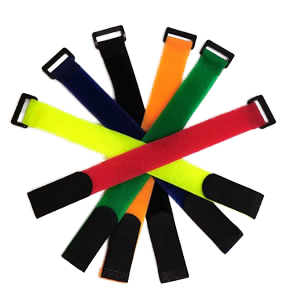
For adjustable straps, consider sewing in VELCRO® Brand One-Wrap® fasteners. These offer reusable, repositionable closures that don't require buckles or hardware.
Additional Tips for Success
- Test your stitch settings on scrap webbing first
- Use a walking foot if your machine struggles with thick layers
- Reinforce high-stress areas with box stitching or bar tacking
- Keep the machine clean — melted webbing or lint buildup can jam stitches
FAQ:
Q. Can a regular sewing machine sew nylon webbing?
A. Yes. Most home machines can handle webbing if equipped with a strong needle, quality thread, and slow, steady stitching.
Q. What's the best stitch for sewing straps?
A. Use a straight stitch for light-duty straps. For strength, especially on handles or load-bearing joins, use a box or box-and-cross stitch.
Q. How do I stop nylon webbing from fraying?
A. Use a hot knife to heat-seal the edges. For cotton, fold and sew the ends, or use fray-check products.
Q. Can I use hook and loop fasteners with webbing?
A. Absolutely. VELCRO® Brand fasteners pair well with webbing for adjustable straps, closures, or loops.
Q. What type of thread should I use?
A. Polyester thread is best. It's strong, UV-resistant, and won't degrade from moisture or washing like cotton thread can.