









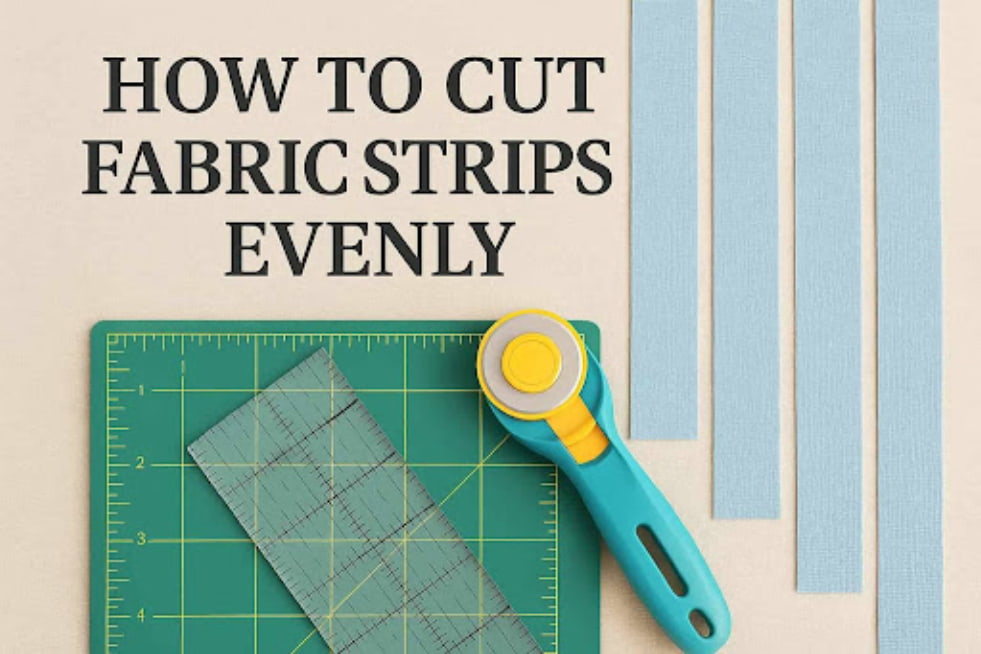
Cutting fabric strips sounds simple, but uneven edges and wasted material can happen fast without the right approach. Whether you're preparing strips for sewing, quilting, or industrial use, clean, accurate cuts are essential for a polished, professional result.
This guide explains how to cut fabric strips evenly and efficiently, with step-by-step instructions, recommended tools, and tips to prevent common mistakes for anyone learning how to cut strips of fabric.
What Is Fabric Strip Cutting
Fabric strip cutting is a process used to cut large rolls or sheets of fabric into narrow, even strips of specific widths. It’s widely used in industries like textiles, automotive, medical, and apparel manufacturing, where fabric strips are required for stitching, binding, reinforcement, or decorative purposes.
The process involves feeding the fabric through automated cutting machines that use rotary blades, ultrasonic cutters, or razor slitting systems. These machines ensure clean edges, accurate dimensions, and minimal fabric waste, even when handling delicate or stretchable materials.
Compared to manual cutting, automated fabric strip cutting machines offer greater speed, precision, and consistency. They can be customized to handle different fabric types - whether woven, non-woven, or knitted - while maintaining the material’s quality and integrity.
In simple terms, fabric strip cutting helps manufacturers save time, reduce waste, and improve production efficiency, making it an essential process for any fabric-based production line.
Why Accurate Strip Cutting Matters
Straight, uniform strips are key for strong seams, even stacking, and consistent alignment in finished products. Inconsistent cuts not only waste fabric, they can also affect performance in projects like webbing, upholstery, or industrial sewing services, where precision is critical.
Choose the Right Tools for Fabric Strip Cutting
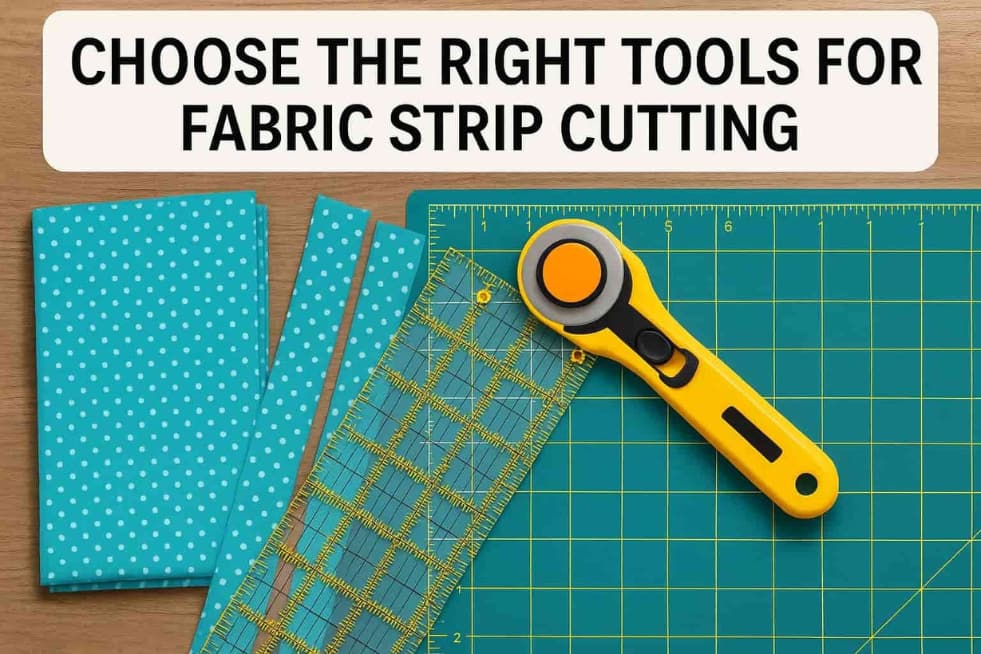
The best cutting tool depends on the type of fabric and quantity of strips you need to make.
1. Rotary Cutter and Cutting Mat
This is the go-to setup for accuracy in quilting and sewing. Pair a sharp rotary cutter with a self-healing mat and a non-slip ruler to make long, straight cuts quickly.
2. Strip-Cutting Machines
For high-volume jobs or commercial production, strip-cutting machines automate the process and ensure perfect consistency. These are common in fabric converting and upholstery operations.
3. Scissors and Rulers
A good option for light-duty or irregular shapes. Use sharp fabric scissors and a clear ruler. This method works best for small-scale crafts but may introduce slight irregularities over long distances.
How to Cut Strips of Fabric (Step-by-Step)
1. Pre-wash and Press the Fabric
Pre-washing your fabric removes any sizing agents and shrinks it prior to cutting. Iron the fabric flat so folds or creases don’t throw off your measurements.
2. Square Up the Edge
Trim one straight edge using a ruler and rotary cutter. This clean edge becomes your cutting baseline and helps ensure strips follow the grain.
3. Measure and Align
Place your ruler on the fabric to measure the desired width. Use grid lines on your cutting mat to stay square throughout the cut.
4. Cut Using Steady Pressure
Hold the ruler in place and run your rotary cutter in a single, smooth stroke. Avoid back-and-forth sawing, which can fray edges.
5. Repeat with Consistency
If cutting multiple layers, stack them evenly and align edges before cutting. Use pattern weights or clips to reduce shifting during the process.
Benefits of Fabric Strip Cutting
Fabric strip cutting offers several key advantages that improve production quality, efficiency, and cost-effectiveness across multiple industries.
Here are the main benefits of fabric strip cutting:
1. High Precision and Consistency
Automated strip cutting ensures every strip is cut to the exact width with smooth, clean edges. This precision is especially important for applications like filters, binding tapes, or garment trims where accuracy impacts the final product quality.
2. Improved Production Speed
Modern fabric strip cutting machines operate continuously and at high speeds, allowing large rolls of fabric to be processed quickly. This leads to faster turnaround times and higher production output.
3. Reduced Material Waste
Precision cutting minimizes fabric wastage by optimizing each cut. This not only reduces raw material costs but also supports sustainability in manufacturing.
4. Compatible with Different Fabric Types
The process can handle a wide range of materials - from woven and non-woven fabrics to technical textiles and stretchable materials - without damaging the fibers or altering fabric properties.
5. Cost-Effective and Scalable
By reducing labor dependency and improving operational efficiency, automated strip cutting systems lower production costs and can easily scale for small or large batch requirements.
6. Consistent Quality Control
Computer-controlled cutting ensures uniform results across every roll or batch, maintaining quality standards and improving customer satisfaction.
Tips for Long or Wide Cuts
- Fold fabric lengthwise, aligning selvage edges
- For WOF (width of fabric) cuts, fold the fabric again to fit your mat
- Work in sections if space is limited
How to Cut WOF Strips (Width of Fabric)
To cut WOF (Width of Fabric) strips, start by folding the fabric in half with the selvage edges aligned, square off one edge for accuracy, then use a ruler and rotary cutter to cut strips across the full width of the fabric - typically 42 to 44 inches wide. This method ensures straight, even strips that maintain the fabric grain and correct measurement.
Step-by-Step Guide to Cut WOF Strips
- Prepare the fabric: Press it flat to remove wrinkles.
- Fold and align: Match the selvage edges and lay the fabric on a cutting mat.
- Square the edge: Trim a small section to create a straight baseline.
- Measure the width: Use a quilting ruler to mark your desired strip size (e.g., 2½").
- Cut smoothly: Run a rotary cutter along the ruler edge in one steady motion.
- Repeat: Continue cutting additional strips at the same width.
Cutting Specialty Materials
When working with synthetic materials, webbing, or heavy-duty fabrics, a heat cutter or hot knife can seal the edges while cutting to prevent fraying.
Always work in a ventilated space and follow the tool’s safety instructions closely.
Need Strip Cutting in Bulk?
Looking for a more precise, professional solution for your mounting material?
Explore HookandLoop’s fabric strip cutting services to get clean, consistent hook and loop strips every time, no tools or guesswork needed.
FAQ:
Q. What is strip cutting in fabric work?
A. Strip cutting refers to slicing fabric into long, narrow pieces used in quilting, sewing, crafts, or manufacturing.
Q. How do I cut fabric strips without fraying?
A. Use pinking shears, a hot knife, or finish raw edges with a zigzag stitch or serger after cutting.
Q. How to cut long strips of fabric
A. Fold the fabric with selvage edges aligned, square off one edge, then use a ruler and rotary cutter to slice even strips across the full length of the fabric.
Q. What width should fabric strips be?
A. Common quilting widths range from 1 to 2.5 inches. For industrial uses, choose a width based on your pattern or application.
Q. Can I use a rotary cutter on all fabric types?
A. Yes, but thicker materials like vinyl or canvas may dull blades faster. Always use a sharp blade and apply steady pressure.
Q. What’s the best method for cutting strips for quilting?
A. A rotary cutter and ruler on a cutting mat provide the most accurate and consistent results. Be sure to cut on the fabric grain and keep edges squared.
Q. How do I store pre-cut fabric strips?
A. Roll or stack them flat in labeled bags or bins. Keep them in a dry, dark place to prevent fading or curling.