
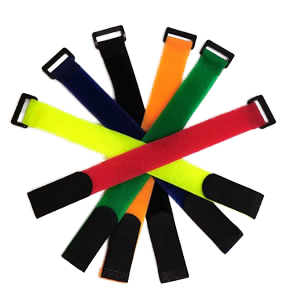








Whether it’s Velcro cable wraps for cable management or 3M VHB tape to fasten construction materials, there’s an abundance of well-performing industrial strength adhesive solutions available for homeowners and industrial professionals alike. In fact, the adhesive tape market is expected to increase from $63.1 million in 2021 to $83.8 billion by 2026, according to Market Research Reports. Here’s how to choose the best adhesive option for your task.
Types of Tape
In lieu of screws, nails, or other fastening tools, adhesive tape is increasingly used to bond two materials together. Tape comprises three components: carrier or backing, adhesive, and release lining. Tape types include:
- Single-coated tape. With these tapes, an adhesive is applied to a single side of the carrier or backing, which can be a material such as cloth, foil, or paper. Masking and electrical tapes are examples.
- Double-sided tape. This kind of tape, which includes mounting and bonding, has adhesive on both sides of the carrier material.
- Adhesive transfer tape. Such tapes have a release liner with an unsupported adhesive. Typically, the liner is paper coated with a release agent. Examples of adhesive transfer tape can be found on bag seals and envelopes.
What are Industrial Strength Tapes?
Often used in construction and the automotive industry, these are adhesives used to bond or mount two elements together. These types of tapes include:
- Double-sided industrial tapes. Whether thick or thin, these pressure-sensitive tapes can be used to bond varying materials.
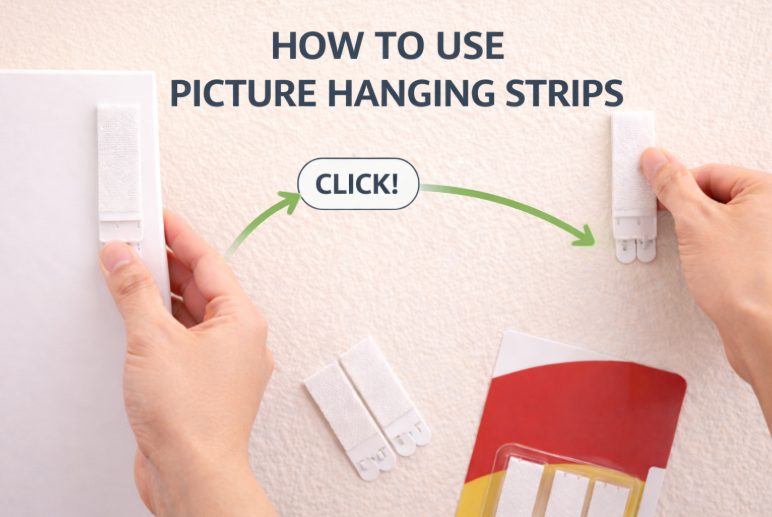
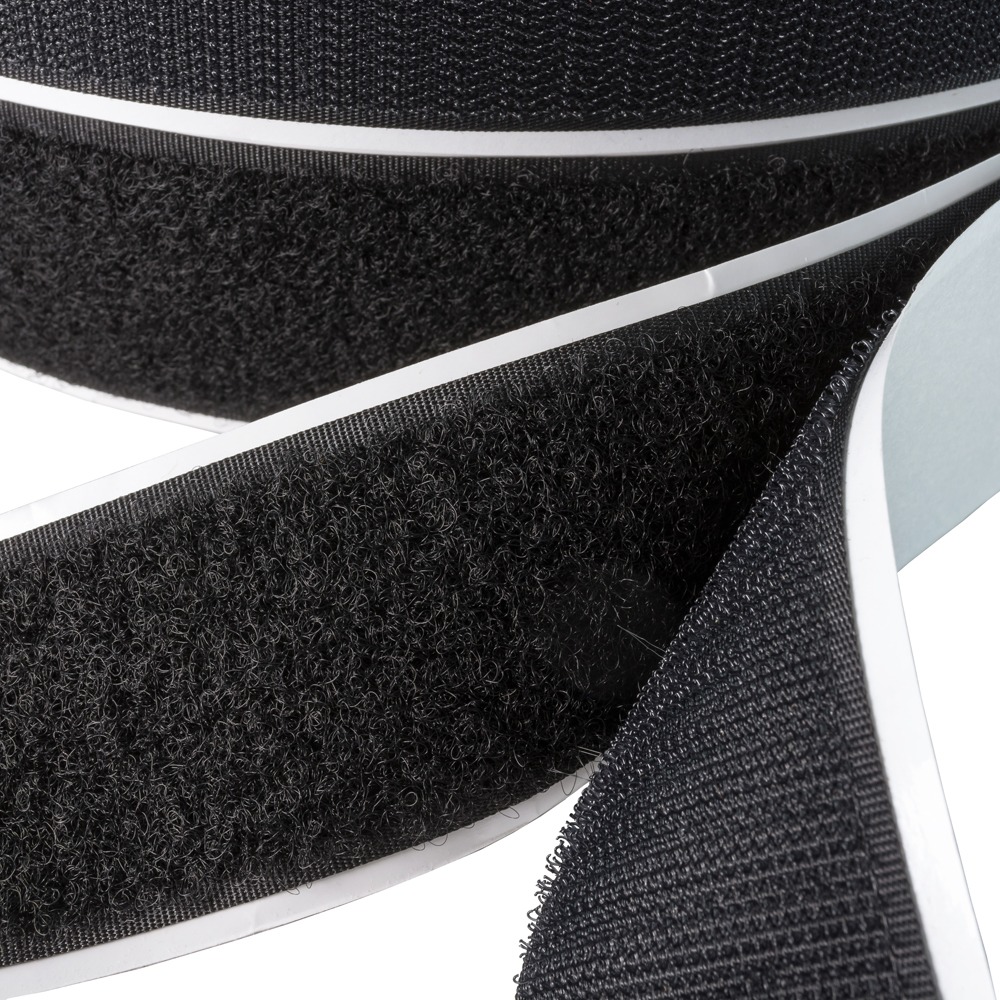
- Industrial-strength hook and loop tapes. Constructed with a molded plastic hook and a heavy-duty loop, these tapes are water resistant and can be used indoors or outdoors.
- Pressure-sensitive tapes. Such tapes have an adhesive coating that can adhere to varying surfaces sans the need for water, heat, or solvent.
- Industrial-strength duct tapes. The technology with which these tapes are made permits them to stick to many different surfaces. This kind of tape is used for repairing, holding, and bundling, for example.
What’s the Difference Between Rubber and Acrylic Adhesives?
While acrylic adhesives build adhesion at length, rubber adhesives have a greater first tack. Acrylics work well with surfaces such as metals and glass, which is why they’re used a lot in the automotive industry. Meanwhile, rubber adhesives are ideal for non-polar materials that have low surface energy. They're commonly used for carpentry, lamination, and attaching plastic and ceramic tiles, for example.
Also, acrylic adhesives are generally more durable and offer better long-term adhesion than rubber adhesives. They tend to hold up well in a broad range of humidity levels and temps, and are resistant to ozone, chemicals, UV light, and oxidation.
What to Consider When Choosing Your Adhesive
When mulling the right industrial strength adhesive or tape, there are a number of factors you should consider.
Compatibility
Determine whether the adhesive or tape works well with the surface on which you’re using it. Some surfaces may call for specialty tapes, such as those designed for smooth, rough, or uneven surfaces.
Bond Type
Remember, these are tapes with a lot of sticking power, so it makes a difference whether the bond will be temporary or permanent.
Ease of Removal
Factor in whether the tape or adhesive can be removed without leaving a residue or damaging the surface. Removable tape works best if you’re concerned about having to potentially repair and paint over damaged walls.
The Environment
Consider whether the tape or adhesive can hold up in whatever environmental conditions to which it will be exposed, such as moisture, temperature, chemicals, ultraviolet rays, and dust.
Stress
Determine whether the tape or adhesive can withstand the stress it will face, such as bending, shear, shock, or vibration.
Working Time
Before investing in an adhesive or tape, consider the amount of time you have to work with it before it sets.
Adhesion Strength and Durability
This refers to how well the tape or adhesive sticks to the surface. Make sure you get the right strength for your task. Durability refers to how long the bond will last.
Tape Thickness
Be aware that the tape’s thickness typically affects its durability and strength.
The Hook and Loop Solution
If you need some heavy-duty adhesion, HookandLoop has you covered for whatever you have going. With its industrial-strength Velcro and adhesive tape, heavy-duty double-sided mounting tape, and double-sided Velcro tape, it offers one-stop shopping. You can also get your hands on outdoor and waterproof double-sided tape, Velcro industrial-strength fasteners, and more.
Summary
Ultimately, when choosing the best industrial strength adhesive for your project, think about the end use of the adhesive product and the application, as well as how the parts requiring adhesion will be placed. There are also a number of other considerations that should be carefully thought through before you make your purchase.