








If your business depends on hook and loop fasteners for production, packaging, or custom product design, your choice of manufacturer matters. The right partner can deliver reliable quality, reduce supply chain risk, and support custom configurations that elevate your end product.
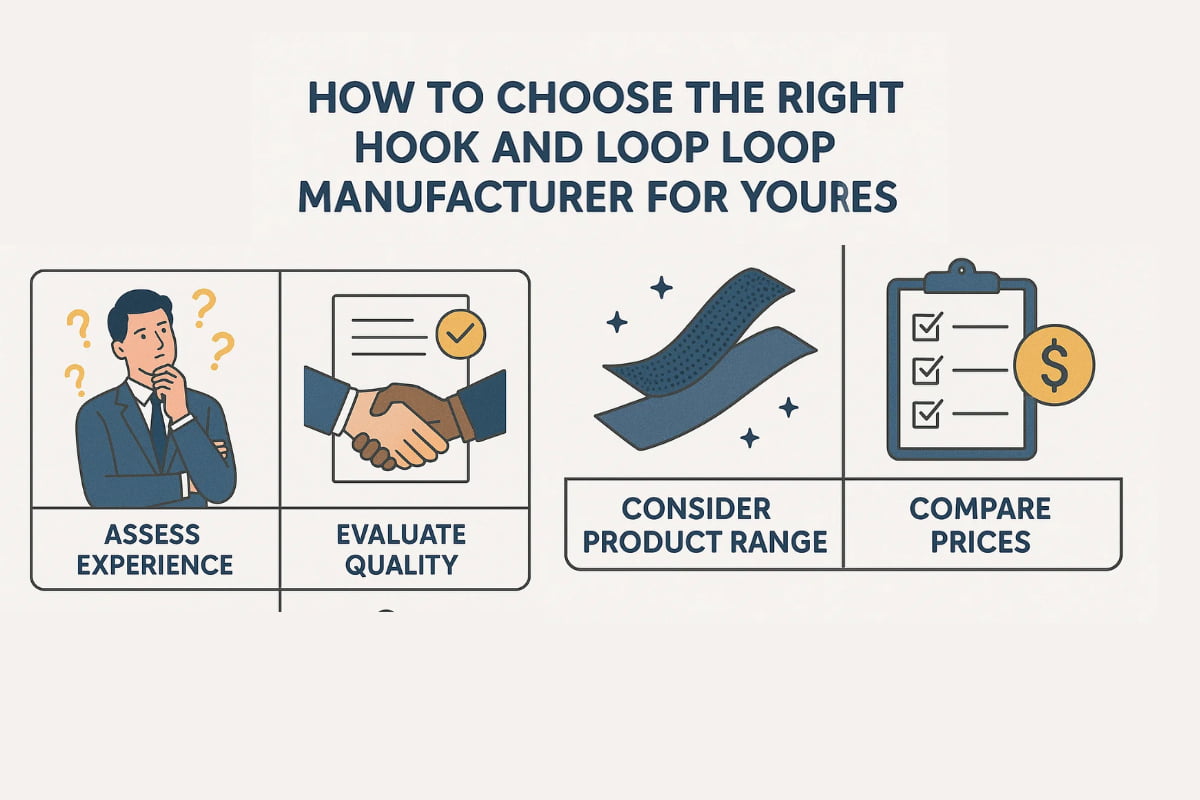
In this guide, we’ll walk through the most important factors to consider when choosing a hook and loop manufacturer - from product quality to production capabilities to support.
Why Manufacturer Choice Matters
Choosing the right manufacturer impacts more than just your bottom line:
- Consistency in quality helps reduce rework and product failure
- Faster lead times support production schedules and inventory planning
- Engineering support enables better solutions for unique applications
Working directly with a hook and loop manufacturer (rather than a generic supplier or reseller) gives you better control over the specs, testing, and materials.
Key Qualities of a Reliable Hook and Loop Manufacturer
When evaluating potential manufacturing partners, look for:
- Diverse product range: Sew-on, adhesive-backed, flame retardant, and more
- Durability standards: Tensile strength, cycle life, UV resistance
- Adhesive options: For fabric, metal, plastic, and difficult surfaces
- Material choices: Nylon, polyester, resins, etc.
A good manufacturer will offer both off-the-shelf and engineered solutions.
Customization Capabilities
Not all projects fit standard specs. Ask about:
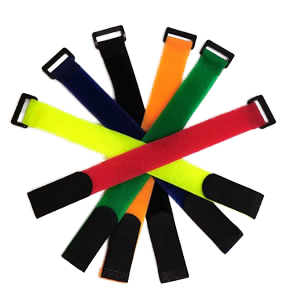
- Widths, lengths, and colors: Can they match your product or branding?
- Pre-cut strips or shapes: Useful for kitting or assembly-line use
- Private labeling: For retail or OEM packaging
- Custom adhesives or flame-retardant coatings: For regulated industries
Customization is especially valuable for OEMs and large-scale users.
Questions to Ask When Comparing Manufacturers
Use these questions to vet potential partners:
- Do they manufacture in-house or resell imported products?
- Can they share data sheets, MSDS, or testing certifications?
- What are their minimum order quantities (MOQs)?
- Are samples available for testing fit, bond strength, or usability?
- Do they offer compliance options like MIL-SPEC or RoHS?
These questions help avoid costly surprises down the line.
Domestic vs. Overseas Manufacturing: Pros and Cons
|
Factor |
Domestic |
Overseas |
|
Lead Time |
Shorter, faster reordering |
Longer shipping and customs |
|
Communication |
Easier, same time zone |
May involve delays or translation |
|
Cost Per Unit |
Higher, but more predictable |
Lower, but variable |
|
Customization |
Flexible and fast |
More rigid, longer turnaround |
If turnaround and product consistency are critical, local manufacturing may be worth the investment.

Why Businesses Choose Hook & Loop
We are both a manufacturer and supplier of industrial hook and loop fasteners, offering flexibility, scale, and speed for B2B customers.
What we offer:
- Industrial-grade hook and loop in multiple strengths and styles
- Custom widths, colors, and adhesives
- Short lead times and fast domestic shipping
- Responsive support for engineering and purchasing teams
Whether you need custom solutions or off-the-shelf options, we help streamline sourcing for your business.
Additional FAQs:
Q. What’s the difference between a hook and loop supplier and a manufacturer?
A. A supplier may simply resell existing products. A manufacturer produces the materials and can often provide more control, customization, and quality assurance.
Q. Can I get OEM-branded hook and loop fasteners?
A. Yes. Many manufacturers offer private labeling or custom packaging for OEMs.
Q. How do I test the quality of a manufacturer’s product?
A. Request samples and ask for spec sheets or third-party testing data such as tensile strength, cycle life, and adhesive bond testing.
Q. What are standard lead times for custom hook and loop orders?
A. Lead times vary, but many domestic manufacturers can ship custom orders within 5–10 business days depending on volume and complexity.
Q. What certifications should a manufacturer offer for industrial use?
A. Look for MIL-SPEC, RoHS, REACH, or ISO certifications depending on your industry.