








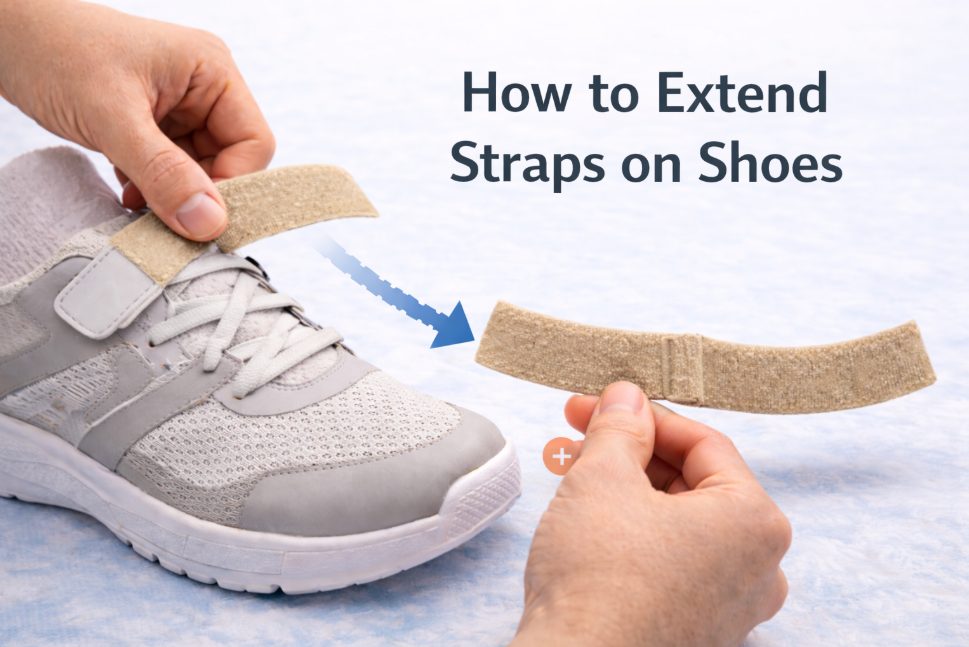
VELCRO® Brand straps make shoes easy to secure and adjust, especially for kids, seniors, and people with mobility needs. But sometimes, those straps just aren't long enough — whether due to swelling, orthotics, or simply the shape of your feet.
Fortunately, there are simple ways to extend Velcro straps for a better, more comfortable fit. Here's a breakdown of your best options.
Why Extend Velcro Shoe Straps?
Straps that are too short can create discomfort, limit mobility, and reduce the effectiveness of the closure. Extending Velcro shoe straps can help:
- People wearing medical braces or orthotics
- Children who outgrow shoes in width before length
- Adults with wide feet, swelling, or post-surgery needs
- Anyone seeking an easier fastening option without buying new shoes
Option 1: Use Velcro Extender Tabs
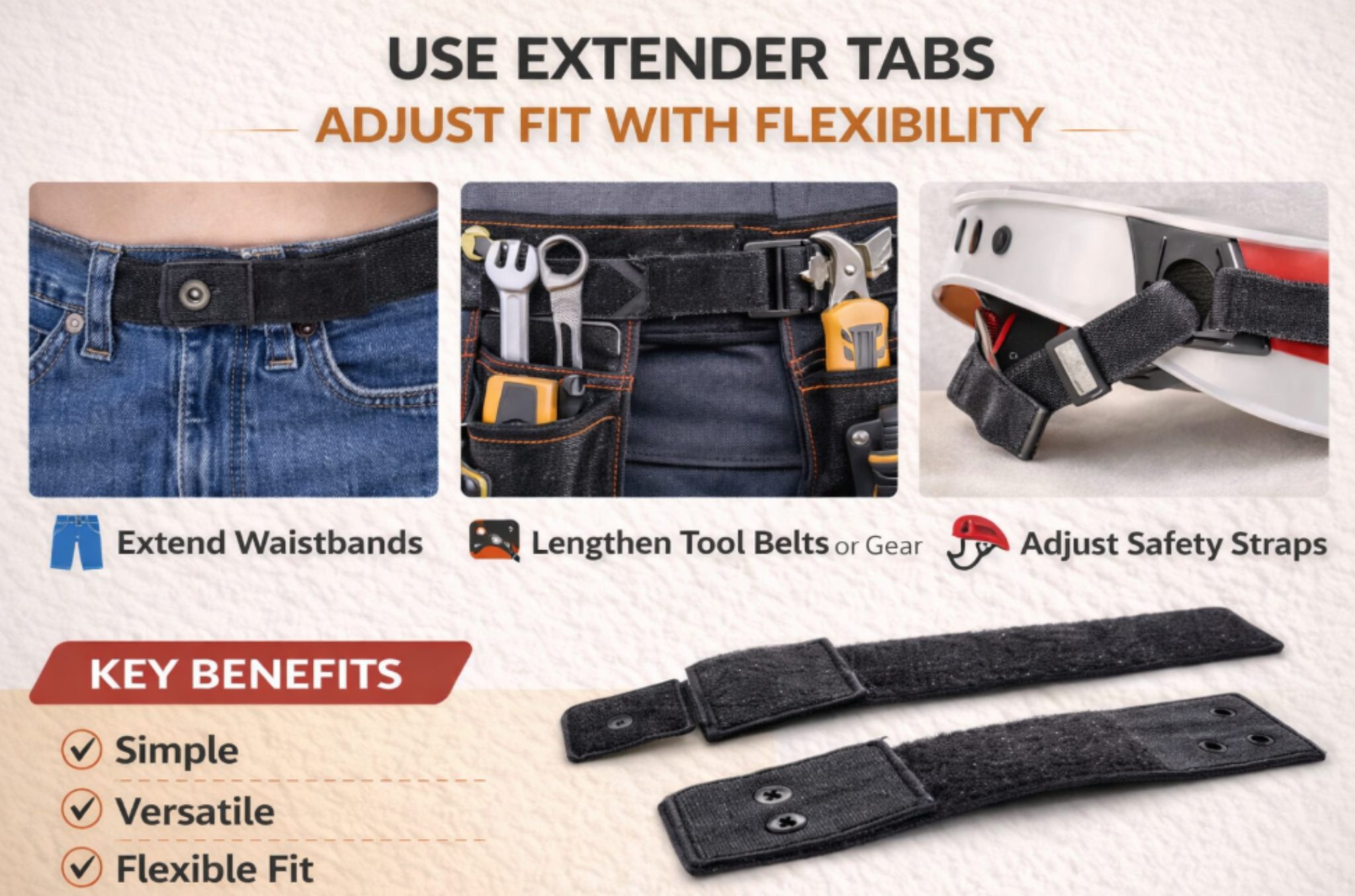
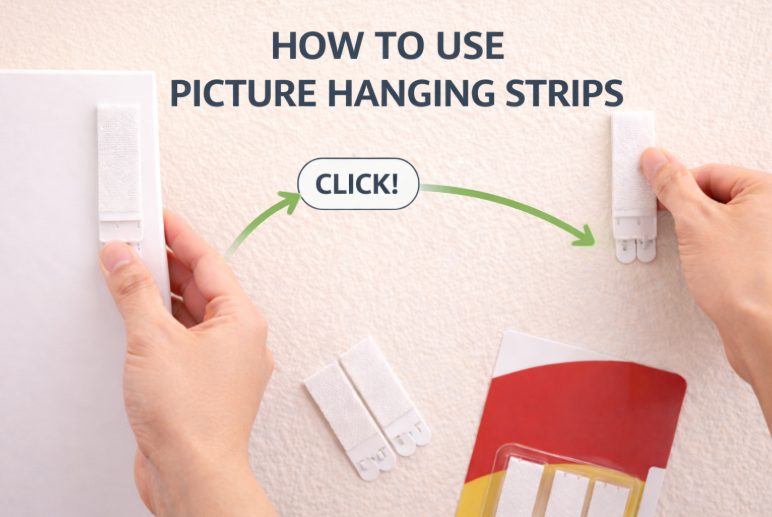
The easiest way to lengthen a Velcro strap is with a pre-made extender tab. These small accessories attach to the existing strap and provide a few extra inches of length.
How to Use
- Choose an extender that matches your hook and loop type (sew-on or adhesive)
- Attach the hook side of the extender to the loop side of the original strap
- Press firmly and secure around the foot as usual
Look for tabs with reinforced stitching or durable backing for daily use. Some even include elastic components for added flexibility.
Option 2: Make a DIY Velcro Strap Extension
If you're handy with basic tools or sewing, you can make your own extender at home.
What You'll Need
- Strip of fabric or webbing (nylon, polyester, or cotton)
- Hook and loop fastener tape
- Scissors
- Sewing machine or strong adhesive (for no-sew option)
Steps
- Cut the fabric to your desired extension length
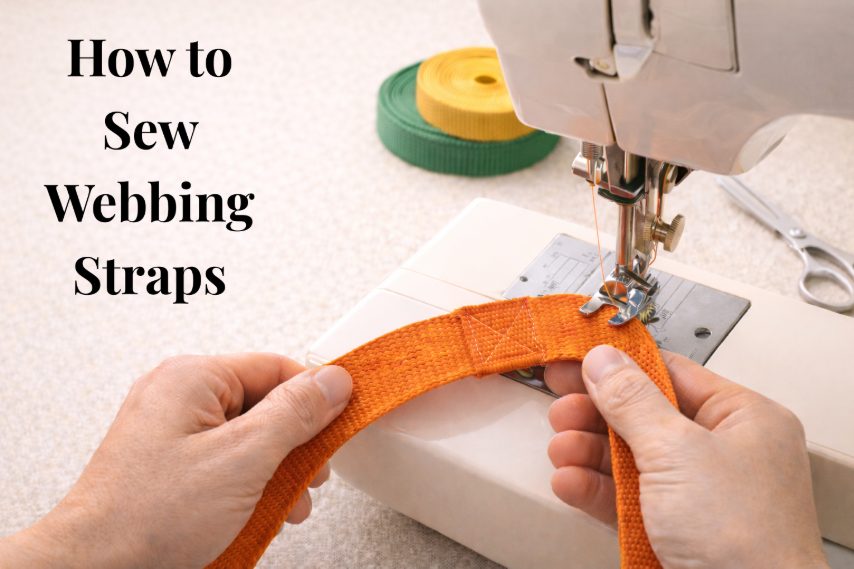
- Sew or glue the hook tape to one end and loop tape to the other
- Attach one side to your shoe's existing strap and wrap as normal
This DIY method gives you complete control over the length, width, and materials. It's ideal for one-off solutions or custom footwear.
Option 3: Replace the Strap Entirely
If your current strap is worn out, damaged, or not salvageable, replacing it is a smart long-term solution. You can remove the original strap and sew a longer one in its place.
Best For
- Orthopedic shoes
- Medical braces with hook and loop fasteners
- Specialty footwear like snow boots or sports shoes
Use high-strength nylon hook and loop materials for durability. Make sure the new strap lines up with existing fastener surfaces for a secure fit.
Tips for Long-Lasting Use
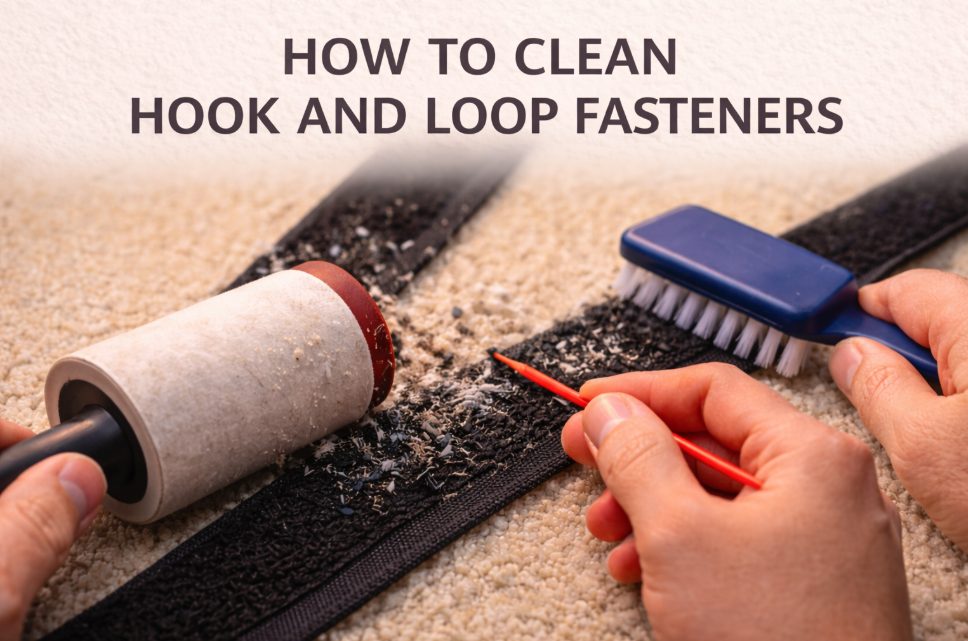
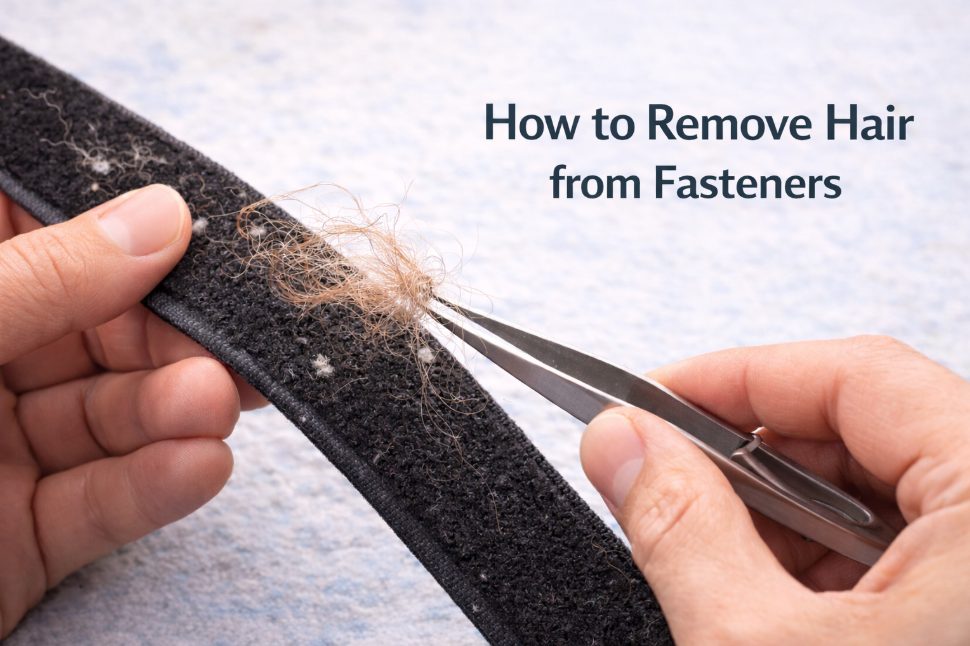
- Clean your hook and loop regularly to maintain grip
- Avoid pulling too hard on extenders to prevent fraying
- Match fabric colors if appearance matters (e.g., dress shoes)
- Test before walking to ensure a secure hold
FAQ:
Q. Can I buy pre-made Velcro strap extenders?
A. Yes. Several retailers and medical supply stores sell extender tabs designed for shoes, braces, or clothing.
Q. How do I make sure the extender won't fall off?
A. Use a strong bond between the hook and loop sections, and make sure you apply pressure when attaching. Reinforced stitching or adhesive improves durability.
Q. Is it better to replace the strap entirely?
A. If the original strap is frayed, missing teeth, or peeling, a full replacement offers a longer-lasting fix.
Q. What material is best for DIY extensions?
A. Nylon or polyester webbing works well. It's durable, flexible, and easy to sew or glue.
Q. Will a Velcro strap extension affect support?
A. Not if made and applied correctly. A well-secured extender can restore proper fit and function to the shoe.