
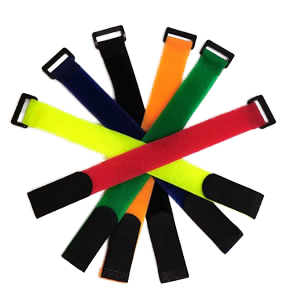




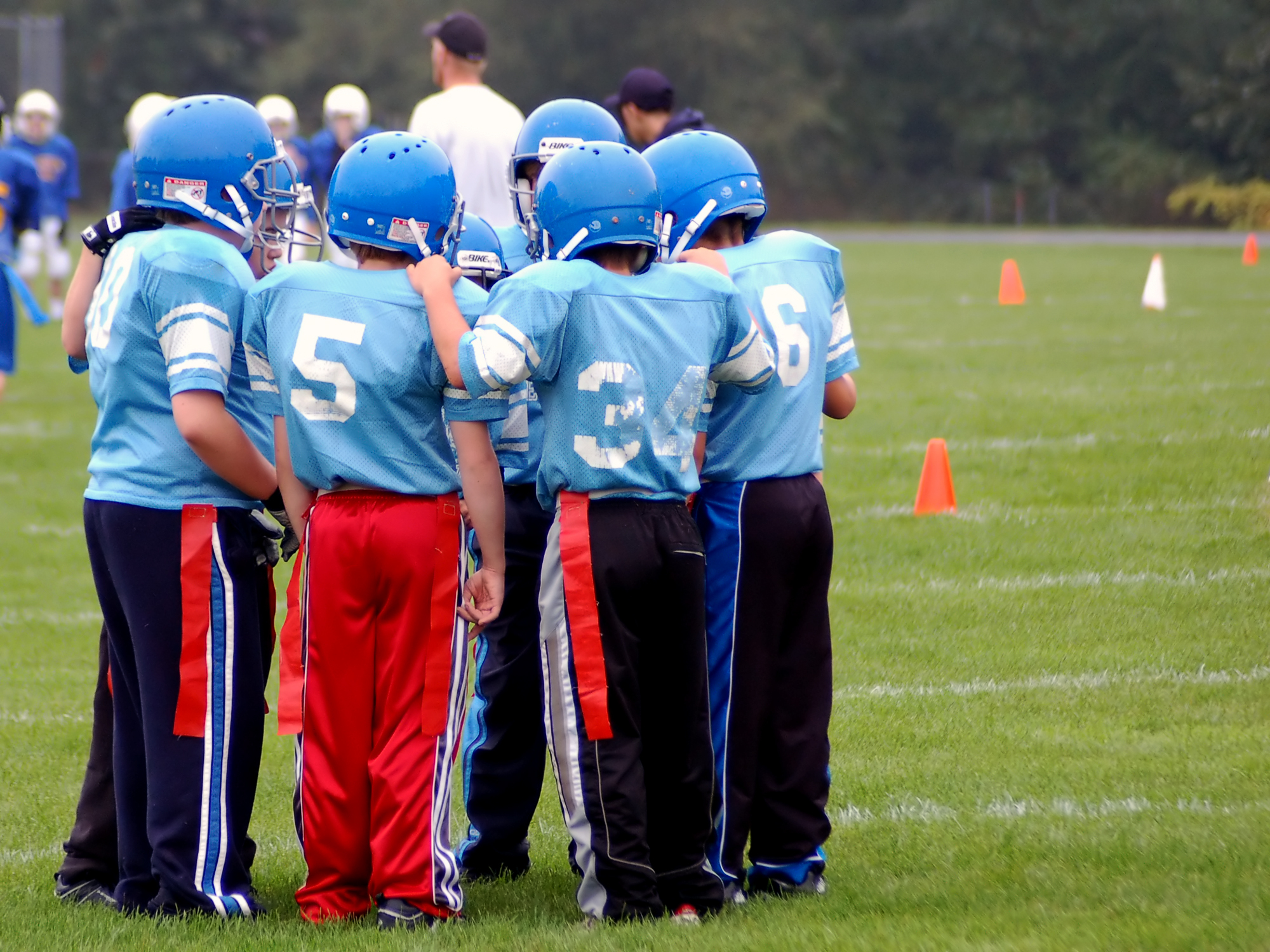
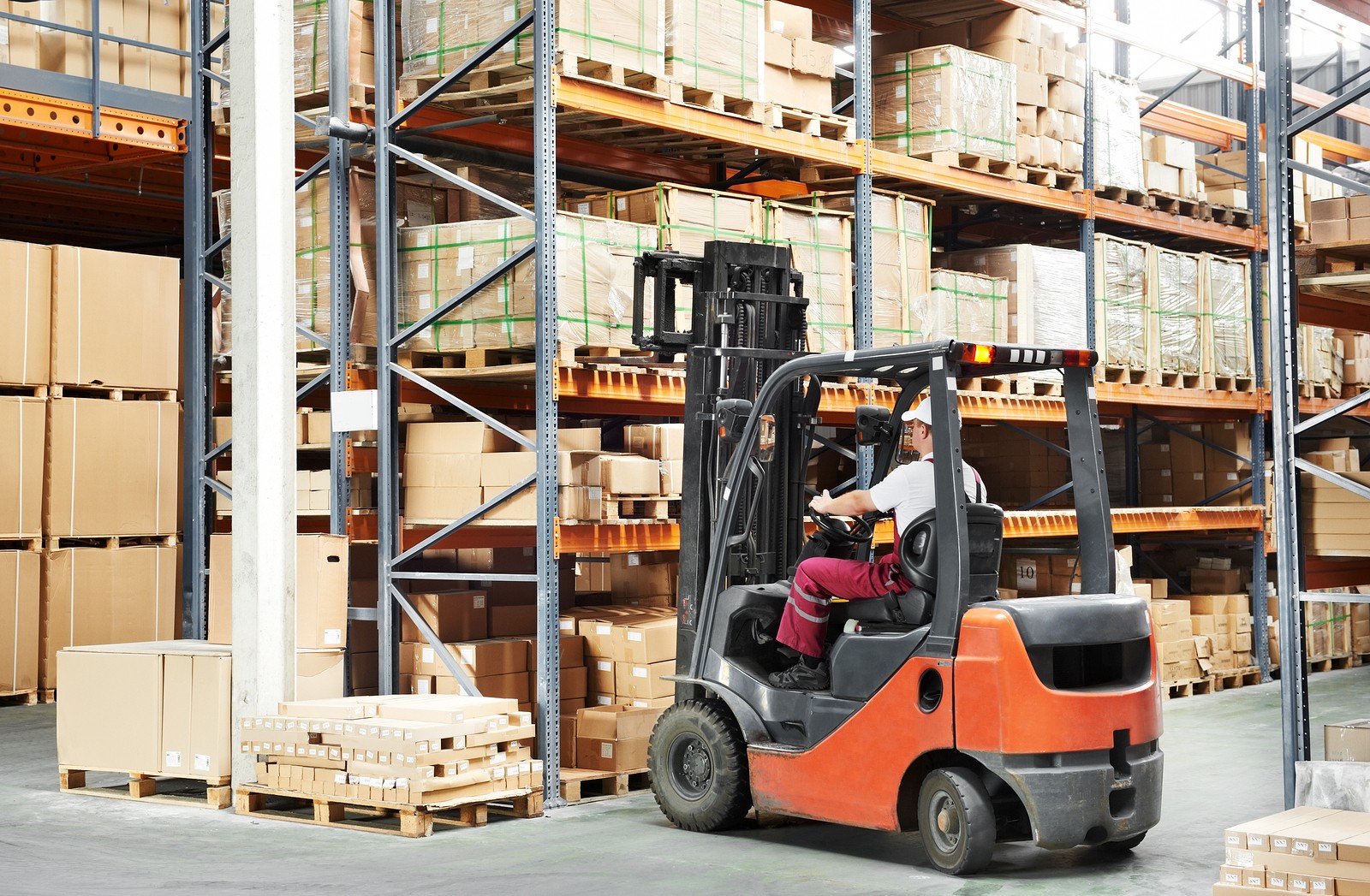



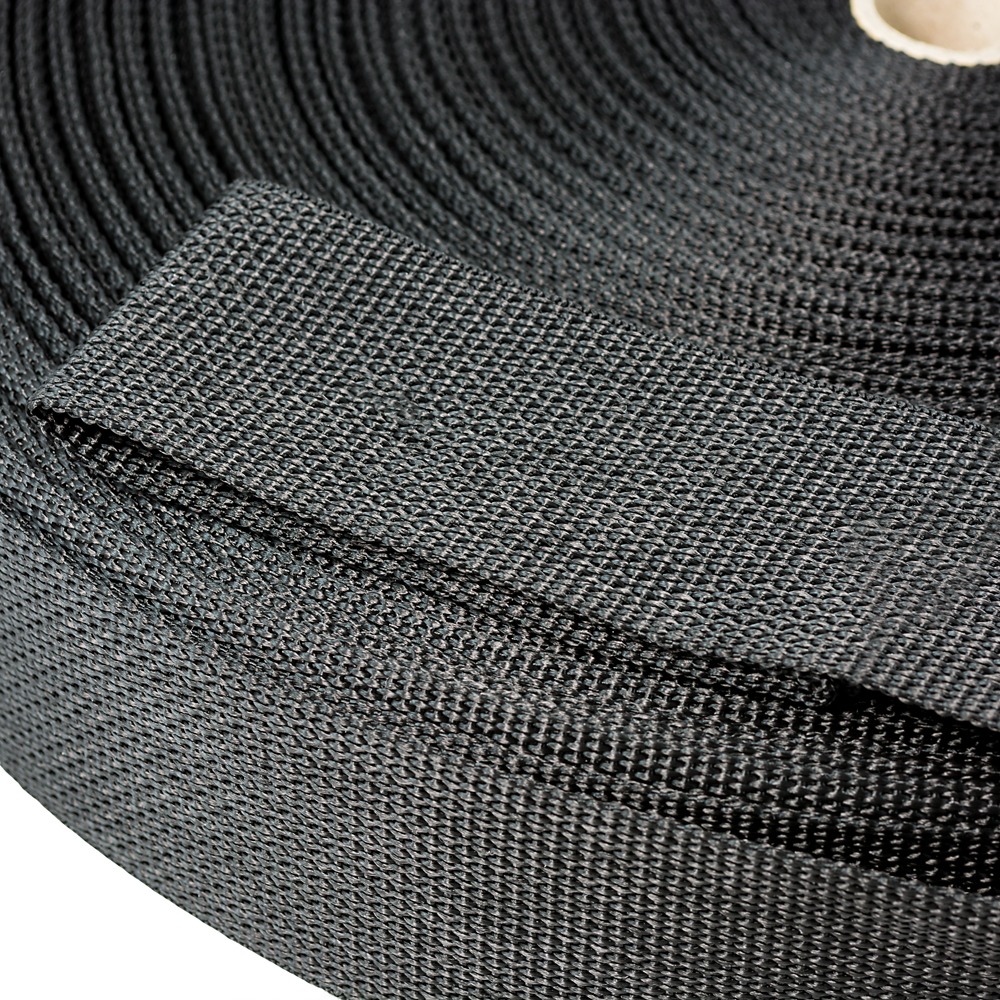
Webbing has been around for a very long time, including for military and apparel purposes. Today, there are seemingly unlimited uses for webbing, particularly for outdoor and industrial workers. There are many different types though, so you want to be sure to choose the right one. Here’s how to select the appropriate webbing for tasks such as lifting, strapping, do-it-yourself projects with adhesive back Velcro, and more.
What is Webbing?
Webbing is a flat strip of tightly woven, dense fabric known for its strength and durability. It’s ideal for reinforcement and weight-bearing projects. The material has evolved from its basic, utilitarian origins into a versatile component with numerous applications for many industries.
The History of Webbing
In ancient days, webbing was formed from materials such as animal hides, natural rubber made from sap, and plant fibers that were woven together to create harnesses, belts, and straps. The Industrial Revolution swept in webbing manufacturing advancements, most notably synthetic fibers including polyester, nylon, and polypropylene.
Industries like aerospace, automotive, and the military benefited from the enhanced durability, strength, and strength offered by the new material. Applications included cargo straps, seat belts, and military equipment. During World War II, for example, webbing was used for tactical gear, load-bearing equipment, and parachute harnesses.
At length, new fibers such as blends and aramid were incorporated for national defense, aerospace, and more. Weaving techniques also improved, permitting increased manufacturing customization, consistency, and precision. Nowadays, webbing is also widely used in fashion and design, to create everything from belts and watch bands to bag straps and shoes.
Different Types of Webbing for Outdoor Use
To find the best webbing for your project, you should consider its width, material, and tensile strength. There are a number of different types of webbing, the most popular of which includes:
Polypropylene.
- This is a cost-efficient, water-resistant, and durable webbing that’s commonly used for objects such as backpack straps, tote bags, belts, and luggage. It’s available in heavy or medium weight for use with varying fabrics. Hook and Loop offers DuraGrip Brand Polypropylene Webbing in a number of colors in both lightweight and heavyweight custom webbing that can be strip cut to length. Because it doesn’t absorb water, it’s ideal for outdoor applications.
Nylon.
- This durable webbing may be the best choice for tasks that need more strength and flexibility, and for those that must bear weight. It’s commonly used for sporting goods, backpack straps, beach chairs and chaise lounges, pet collars, leashes, lanyards, and more, and can also be finished using heat. Because it can weaken and stretch when wet for protracted periods, nylon may not be the ideal option for all outdoors projects.
Cotton.
- This webbing type features a softer look and is more customizable when it comes to color. It also has great breathability and moisture retention and can withstand high temps. It’s a popular choice due to its comfort, versatility, and environmental friendliness. It’s also easy to use in sewing projects.
Polyester.
- Affordable and versatile, polyester is a popular webbing choice. It can be printed with bright, colorful, patterns and designs and is a great option for outdoor use. Polyester webbing is also supremely water resistant and is more resistant to stretching and UV options.
Webbing Knitting Methods
The knitting method used to make various webbing types contribute to the material’s strength and elasticity. There are three main types:
Plain.
- Because it uses a single stitch, this is the easiest method and creates a highly stable fabric. It’s primarily used for lighter projects since it’s challenging to drape when made into heavier fabrics.
Twill.
- Slightly less stable than twill, this knitting method is more water-absorbent than the plain knitting method, is markedly easier to drape, and tends to feel smoother.
Satin.
- Of all three methods, satin has the most water absorbency and drapes the best. Note, though, that because it’s asymmetrical, the fabric is much less stable and may require multiple layers.
Webbing Features to Consider
Before investing in webbing, it’s important to understand that not all types can be used in every environment or project. Before choosing, consider these factors:
Buoyancy.
- Consider whether you require webbing that floats on water.
Water absorption.
- Ask yourself whether you need webbing that remains mostly or entirely dry when exposed to water.
UV resistance.
- Think about whether your project will be used entirely outdoors, indoors, or a combination.
Abrasion resistance.
- Will your webbing be exposed to elevated levels of chafing or rubbing, or used in high-traffic areas?
Heat resistance.
- Consider whether you require webbing that can withstand high temps.
Breaking strength.
- Do you require webbing for a weight-bearing application?
Stretch.
- Think about whether you need webbing that resists stretching or a type that gives.