







Hook and loop fasteners can support sports training, motion capture, and equipment setup when markers or accessories need to be positioned, removed, and repositioned quickly. The original article highlighted how the Baltimore Orioles used hook and loop fasteners to attach reflective markers to pitchers for motion capture analysis.
That example shows a broader sports-training use case: hook and loop can help hold lightweight markers or gear in place without requiring a full suit or permanent attachment.
How Hook and Loop Supported Motion Capture Training
| Training Need | How Hook and Loop Helped |
|---|---|
| Marker placement | Reflective balls could be affixed to a pitcher’s body for motion capture analysis. |
| Repositioning | Markers could be moved because they were not fixed to a typical motion-capture body suit. |
| Natural movement | Athletes could remain freer to act naturally while executing a pitch. |
| Training analysis | Motion capture data helped teams study movement and adjust conditioning programs. |
Hook and Loop for Pitching Motion Analysis
The original post described a training procedure where staff used hook and loop fasteners to affix reflective balls to the body of a pitcher. With motion capture analysis, teams could observe performance and study pitching motion.
Because the reflective balls were not attached to a typical motion-capture body suit, they could be repositioned. The article also noted that the athlete remained freer to act naturally while executing a pitch.
Why Repositionable Fastening Matters in Training
Sports training often requires repeated adjustment. Coaches, trainers, and technicians may need to move markers, straps, or accessories as they study movement, test an adjustment, or work with different athletes.
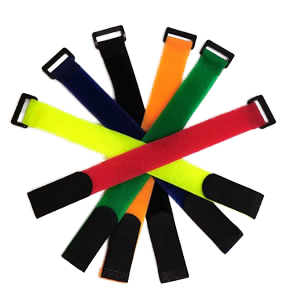
Hook and loop can help because it supports temporary placement, fast removal, and repositioning without a permanent attachment method.
Broader Sports and Equipment Applications
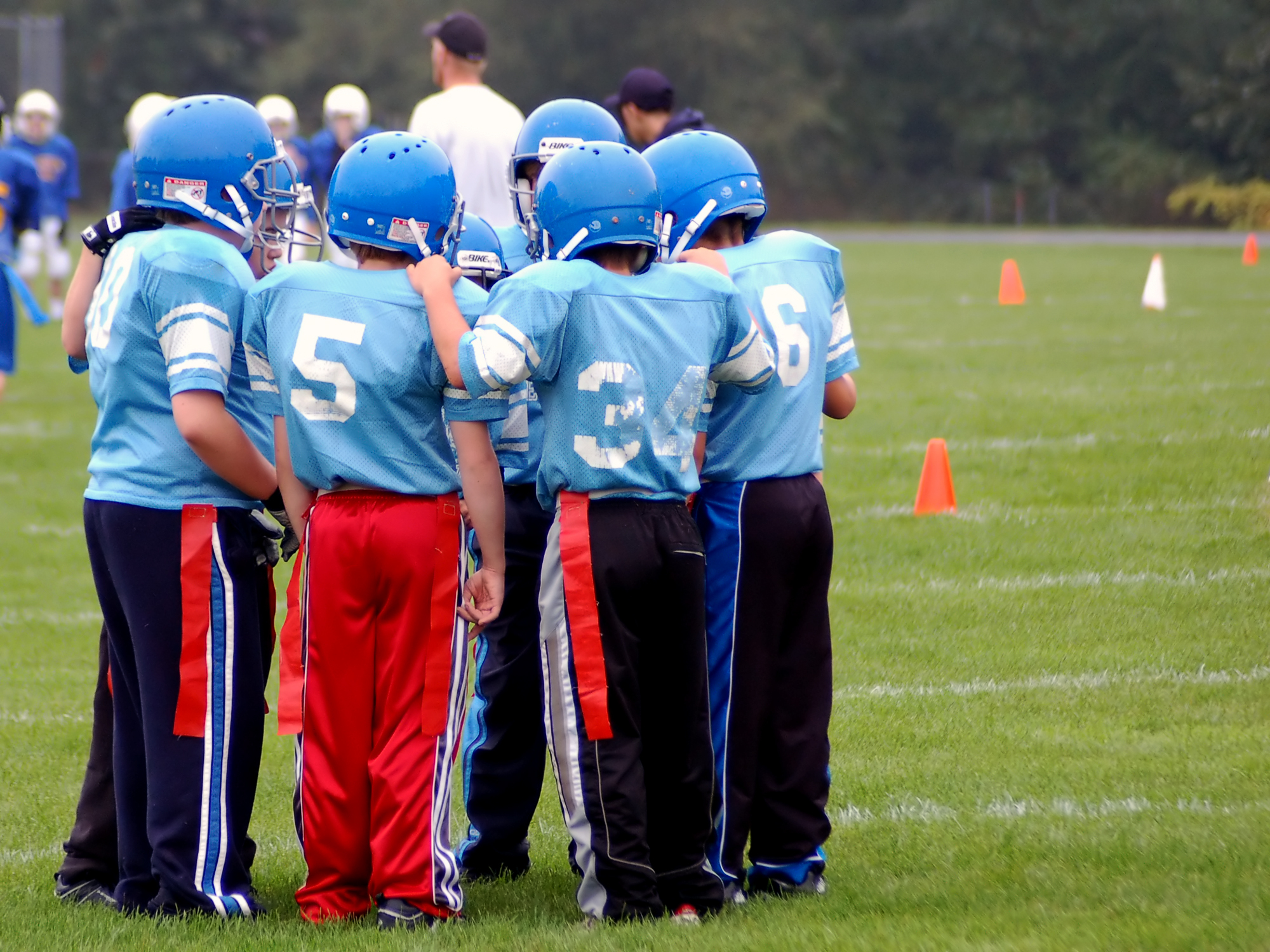
The original article also compared the method to similar motion monitoring used by police and military personnel to monitor arm motion and placement. In sports, the same general fastening idea can support motion analysis, training tools, straps, and equipment that needs to be adjusted for the athlete or activity.
Choosing Hook and Loop for Sports Training Gear
For training and sports-equipment applications, consider what needs to be attached, how often it needs to move, whether the athlete needs full range of motion, and whether the fastener needs to hold a lightweight marker, strap, or accessory during activity.
FAQ:
Q. How did the Baltimore Orioles use hook and loop?
A. The original article described the Orioles using hook and loop fasteners to attach reflective balls to pitchers for motion capture analysis.
Q. Why was hook and loop useful for motion capture training?
A. Hook and loop allowed reflective markers to be repositioned instead of being fixed to a typical motion-capture body suit.
Q. How can hook and loop support sports training gear?
A. Hook and loop can help temporarily attach, remove, and reposition lightweight markers, straps, or accessories used in training.
Q. What should be considered when choosing hook and loop for sports applications?
A. Consider what needs to attach, how often it needs to move, whether the athlete needs full range of motion, and whether the fastener must hold a marker, strap, or accessory during activity.